Chapter Five
Baltimore, “The Block” & Changing City Streets
A broader look at the Baltimore that framed Eli’s life: the harbor, nightlife, politics, civil rights, and the communities that shaped the crowds at his shows.
Baltimore & “The Block”
The city’s working streets, venues, and late-night energy shaped the fight scene—who showed up, how cards were promoted, and what boxing meant to the neighborhood.
A city built on movement
Harbor work, corner businesses, clubs, gyms, and civic halls—Baltimore’s rhythm wasn’t one story. It was a thousand overlapping ones.
In Eli’s era, boxing nights pulled people together across blocks and backgrounds.
A note on why boxing “reads” like Baltimore
Boxing writing often describes the sport as raw, human, and immediate—equal parts struggle, craft, humor, and heartbreak.
That same mix shows up in city life: hard edges, bright moments, and pride that never asks permission.
Open in new tab →
Civil Rights & a Changing America
The 1960s–70s weren’t just “an era”—they were a shift in law, culture, and daily life. Baltimore’s gyms and fight nights lived inside that change.
JFK & Federal Contracting
In the early 1960s, “affirmative action” entered federal policy language through contracting and employment rules.
Executive Order 10925 (primary text) →
John F. Kennedy (overview) →
MLK — “I Have a Dream”
A defining speech of the movement—still referenced because it blends moral clarity with national promise.
LBJ & Equal Employment Rules
Mid-1960s policy expanded enforcement and expectations for equal employment practices tied to federal contracting.
Executive Order 11246 (primary text) →
Lyndon B. Johnson (overview) →
Eli’s Favorite Boxers & Community
Champions, challengers, and the local legends that made the scene feel alive—plus a note on why these names matter to the story.
Eli’s Favorite Boxers & Community

Muhammad Ali
Grace, speed, and ring IQ—Eli called him “the poet of the ring.” Ali’s era also mirrored wider change in America; his career and convictions
resonated with the integrated gyms and audiences that defined Baltimore boxing.

Joe Frazier
Relentless pressure and an iconic left hook. A working-class hero whose grit echoed Baltimore’s gyms and crowds Eli knew well.
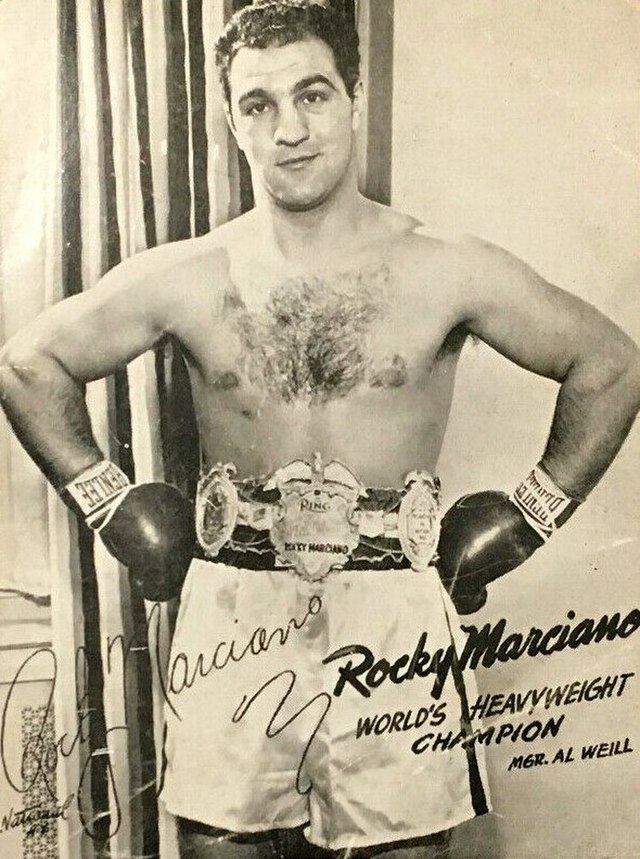
Rocky Marciano
Undefeated champion known for conditioning and late-round power—discipline Eli admired deeply.

Floyd Patterson
Explosive and technical—a gentleman outside the ring with knockout precision inside it.

Ken Norton
Physical, crafty, and fearless—his cross-arm guard and pressure gave stylists fits.

Jimmy Ellis
Underrated champion with slick counters—Eli appreciated his timing and ring craft.

Local Legends & Heroes
The lifeblood of the scene—fighters, families, promoters, and fans who kept Baltimore boxing vibrant across neighborhoods.
Browse photos, clippings, and shared memories.
Sources & Reading
Primary clippings and background reading used to frame this chapter.
MSA — Afro-American Clipping
Maryland State Archives PDF (Jan 12, 1969).
MSA — Afro-American (additional)
Supporting page PDF from the same issue set.
LOA — Boxing Interview (PDF)
George Kimball & John Schulian on boxing writing and culture.